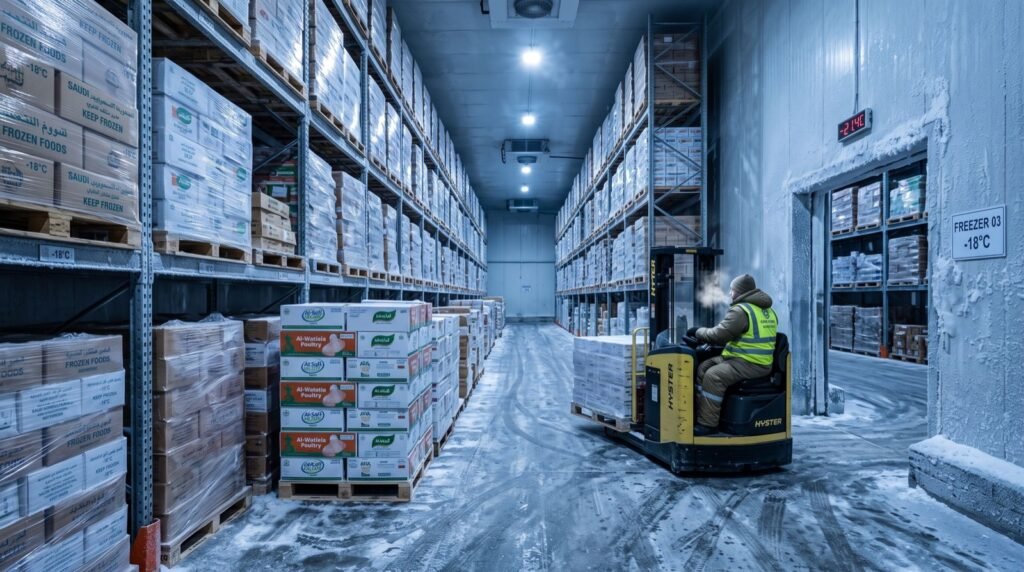
Dry Storage Solutions in Saudi Arabia: Myths, Costs, and What Really Works in 2026
Ask ten business owners about warehousing and you will hear ten half-truths. Yet reliable dry storage solutions in Saudi Arabia are simpler, cheaper, and more flexible than most assume, especially when matched correctly with ambient options. This article clears up the common myths, breaks down real costs, and explains when dry storage beats refrigeration for keeping your goods safe through the Kingdom’s demanding climate.
If storage decisions feel like guesswork, the sections below give you a clear, practical framework instead.
Dry Storage Solutions in Saudi Arabia: Separating Myth From Reality
Misconceptions cost money. Many companies over-pay for refrigerated space they do not need, or under-protect goods that would have been fine in a well-managed ambient warehouse. Let us correct the biggest myths.
Three Myths Worth Dropping
- “Dry storage means no climate control.” False. Quality facilities manage humidity, ventilation, and heat without mechanical refrigeration.
- “Everything lasts longer when it is cold.” Not true. Some goods, like certain electronics and dry foods, degrade in damp, cold conditions.
- “Bigger warehouses are always better value.” Rarely. Paying for unused space is pure waste; scalable contracts win.
Professional Dry Storage solutions in Saudi Arabia combine racking, pest control, and humidity management to keep shelf-stable goods safe at a fraction of cold-storage running costs.
What Is Ambient Storage and When Do You Need It?
Ambient storage keeps products at normal indoor room temperature, protected from direct heat and moisture but without active cooling or freezing. It suits goods that are stable at everyday conditions yet still need shelter from Riyadh’s summer extremes.
Choosing Ambient Storage In Riyadh is ideal for items like beverages, cosmetics, packaged consumables, and household products that spoil in heat but do not require refrigeration. The distinction matters: ambient and dry overlap heavily, and the right provider tunes conditions to your specific catalogue.
Goods That Thrive in Ambient Conditions
- Bottled and canned beverages
- Cosmetics and personal-care products
- Packaged snacks and shelf-stable foods
- Cleaning supplies and household goods
- Stationery, packaging, and promotional materials
The Real Cost Breakdown
Cost is where dry and ambient storage shine. Because there is no energy-hungry refrigeration, running expenses stay low, and those savings flow into your rate. Here is how the main storage types compare on the factors that drive price.
| Storage Type | Energy Cost | Best For | Relative Price |
|---|---|---|---|
| Dry | Low | Shelf-stable, non-perishable goods | $ |
| Ambient | Low–moderate | Heat-sensitive but non-refrigerated goods | $$ |
| Chilled | High | Dairy, produce, pharma | $$$ |
| Frozen | Very high | Meat, seafood, frozen meals | $$$$ |
Efficiency research from the U.S. Department of Energy shows that refrigeration is one of the largest energy loads in any facility, which is precisely why dry and ambient options remain the most economical choice for suitable goods.
How Do You Pick the Right Option?
Start with your product, not the price list. Ask three questions: Does it spoil without cooling? Does heat damage it even if it will not spoil? Is it sensitive to humidity? The answers point you to dry, ambient, or chilled space quickly.
An original tip from experience: audit your inventory by “failure mode,” not by category. Two products in the same box can need different conditions, and grouping by how they fail, from melting to moisture damage, prevents costly mistakes. The most reputable service experts will walk your catalogue with you before recommending a mix.
For a broader view of safe food handling and storage temperatures, the U.S. Food and Drug Administration publishes clear guidance that helps distinguish which goods truly need cold storage and which do not.
How the Right Facility Protects Your Goods Year-Round
A quality warehouse earns its value in the details that customers never see. Insulated roofing and walls slow heat transfer, so interior conditions stay stable even when outdoor temperatures soar. Strategic ventilation moves air to prevent humidity pockets that would otherwise damage packaging and promote mould.
Pest management is another quiet essential. Sealed docks, regular inspections, and elevated racking keep rodents and insects away from your stock, which matters especially for food, textiles, and paper products. These measures cost the facility little once established but save clients from catastrophic losses.
Questions to Ask Before You Sign
- How do you manage humidity and heat during peak summer?
- What pest-control and inspection schedule is in place?
- Can I scale my space up or down with the season?
- Do you provide inventory tracking and stock visibility?
- What security and fire-safety systems protect the building?
Clear answers to these questions separate a genuine storage partner from a simple landlord renting empty floor space. The difference shows up directly in the condition of your goods.
Matching Storage to Your Business Stage
Your ideal storage mix shifts as your company grows. A young brand with a single product line may need only modest dry space, while an established distributor juggling dozens of SKUs benefits from a blend of dry, ambient, and chilled zones. Reassess your setup at each growth stage rather than defaulting to last year’s plan.
In 2026, flexibility is the real competitive edge. Providers that let you adjust space, add climate zones, and scale tracking as you expand let you invest in storage that fits today while staying ready for tomorrow’s volume.
Frequently Asked Questions
What is the difference between dry and ambient storage?
Dry storage prioritises low humidity and pest control for shelf-stable goods, while ambient storage focuses on holding products at steady room temperature away from heat. The two overlap and are often offered together.
Is dry storage safe during Saudi summers?
Yes, when the facility is properly insulated and ventilated. Quality providers manage heat and humidity so goods stay protected even during peak summer temperatures in Riyadh.
How can I reduce my storage costs in 2026?
Match each product to the cheapest suitable environment, avoid over-renting space, use vertical racking, and choose scalable contracts. Moving non-perishables out of refrigerated space is often the fastest saving.
Can I store heat-sensitive but non-perishable items without refrigeration?
Absolutely. Ambient storage is designed for exactly this, keeping items like cosmetics and beverages cool and stable without the expense of chilled or frozen units.
Conclusion
The smartest warehousing decisions come from matching products to conditions, not from fear or habit. Well-run dry storage solutions in Saudi Arabia, paired with ambient space where needed, protect your goods and your budget at once. Drop the myths, audit your inventory by how it fails, and choose a flexible provider. Ready to store smarter in 2026? Speak with a Riyadh storage specialist today and build a cost-efficient plan that fits your products exactly.